Introduction to Resin Identification Codes (RIC)
Established in 1988 by the Society of the Plastics Industry (SPI) and administered today by ASTM International (Standard ASTM D7611), the Resin Identification Code (RIC) system categorizes plastic polymers to facilitate sorting prior to mechanical recycling.
The symbols—traditionally depicted as three chasing arrows (now formally updated by ASTM to a solid equilateral triangle) enclosing a digit from 1 to 7—indicate the base polymer composition rather than guaranteeing local curb-side recyclability.
Detailed Breakdown of Codes #1 through #7
| Code | Polymer Name | Key Physical Characteristics | Common Consumer Products | Recycling Viability |
|---|---|---|---|---|
| #1 PET | Polyethylene Terephthalate | Clear, rigid, gas/moisture barrier, high tensile strength. | Water bottles, soda containers, food clamshells. | Very High (Widely accepted globally) |
| #2 HDPE | High-Density Polyethylene | Semi-rigid, chemical resistant, high impact resistance. | Milk jugs, detergent bottles, piping, shampoo containers. | Very High (High demand market) |
| #3 PVC | Polyvinyl Chloride | Tough, biologically inert, flame-retardant, rigid or flexible. | Plumbing pipes, cable jackets, medical blood bags. | Low to Moderate (Specialized industrial) |
| #4 LDPE | Low-Density Polyethylene | Flexible, puncture-resistant, translucent, moisture barrier. | Plastic grocery bags, shrink film, squeeze bottles. | Moderate (Growing collection programs) |
| #5 PP | Polypropylene | High melting point, fatigue resistant (living hinges), chemically inert. | Microwave food containers, bottle caps, yogurt tubs. | Moderate to High (Rapidly scaling) |
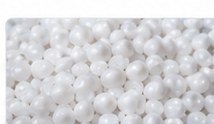
| #6 PS | Polystyrene | Rigid/brittle (crystal PS) or foamed (expanded EPS), low thermal conductivity. | Disposable cutlery, CD jewel cases, foam insulation packaging. | Low (Challenging transport economics) |
| #7 OTHER | All Other Polymers & Multilayers | Includes Polycarbonate, ABS, Nylon (PA), Bioplastics (PLA), and multi-layer barrier laminates. | Eyeglass lenses, 3D printing filaments, automotive components. | Low (Requires specialized chemical recovery) |
1. The Misconception of the "Chasing Arrows"
A common global consumer misconception is that any plastic bearing a numbered symbol is accepted in standard municipal recycling bins. In practice, municipal recovery focuses primarily on Code #1 (PET) and Code #2 (HDPE), with Code #5 (PP) gaining widespread acceptance. Codes #3, #6, and #7 often require commercial collection systems or specialized industrial sorting facilities due to contamination risks and mechanical degradation during remelting.
2. The Engineering Role of Code #7 ("Other")
Code #7 covers all resins not classified in categories 1 through 6, as well as complex multilayer structures (e.g., EVOH oxygen barriers laminated between polyethylene layers for meat packaging). It also includes sustainable bio-polymers such as Polylactic Acid (PLA) and Polyhydroxyalkanoates (PHA), which must be segregated from traditional petroleum recycling streams to prevent batch contamination.
How to use this guide
This page is designed to explain the relevant material, process, decision point or failure mode in practical terms. It is meant to support understanding, not replace a current supplier datasheet, process validation, regulatory requirement or engineering sign-off.
Typical material behavior, common process logic, defect patterns, material comparisons and practical decision framing.
Exact product specifications, grade-specific values, regulatory opinions, food-contact validation or factory-specific trials.
Before a production or commercial decision is made, check the exact grade, processing window, standards and local rules that apply to your application.