
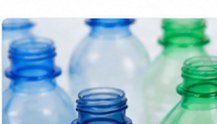
Introduction to PET and HDPE
Polyethylene Terephthalate (PET or PETE) and High-Density Polyethylene (HDPE) are the two most prevalent thermoplastics used in consumer goods, industrial manufacturing, and packaging solutions worldwide. While both materials are lightweight, cost-effective, durable, and 100% recyclable, their distinct molecular configurations create significant performance differences in clarity, thermal tolerance, gas permeability, and chemical inertness.
For industrial designers, packaging engineers, and supply chain managers, understanding the core physical and chemical distinctions between Resin Identification Code #1 (PET) and Resin Identification Code #2 (HDPE) is essential for maintaining product safety, extending shelf life, and meeting sustainability targets.
1. Molecular Architecture and Resin Properties
The macroscopic behavior of these polymers originates directly from their polymer chains and synthesis pathways:
| Parameter | PET (Polyethylene Terephthalate) | HDPE (High-Density Polyethylene) |
|---|---|---|
| Resin Identification Code | #1 | #2 |
| Polymer Classification | Semi-aromatic Thermoplastic Polyester | Semi-crystalline Polyolefin |
| Density Range | 1.35 – 1.40 g/cm³ | 0.94 – 0.97 g/cm³ |
| Melting Point (Tm) | 250°C to 260°C (482°F–500°F) | 125°C to 135°C (257°F–275°F) |
| Glass Transition Temp (Tg) | 67°C to 81°C (152°F–178°F) | -110°C to -120°C (-166°F to -184°F) |
| Tensile Strength | 55 – 75 MPa | 20 – 35 MPa |
| Elongation at Break | 50% – 150% | 100% – >600% |
| Optical Transparency | Optical Clarity (~90% Light Transmission) | Translucent / Milky-White to Opaque |
2. Barrier Performance: Moisture vs. Gas Permeation
The choice between PET and HDPE often depends on the required barrier properties for food, beverage, or chemical stability:
- Oxygen and CO2 Retention (Gas Barrier): PET features closely packed molecular chains containing aromatic benzene rings, creating an effective gas barrier. This makes PET indispensable for pressurized carbonated beverages, wine, edible oils, and oxygen-sensitive foods. In contrast, HDPE exhibits high gas transmission rates, making it unsuitable for pressurized carbonated drinks.
- Moisture and Vapor Barrier (WVTR): HDPE is inherently non-polar and hydrophobic. It provides a superior water vapor transmission barrier compared to PET, making it ideal for dry powders, pharmaceutical capsules, and hygroscopic vitamins.
3. Chemical Compatibility and Stress-Crack Resistance
When packaging industrial chemicals, detergents, and aggressive solvents, compatibility must be validated:
- HDPE Resistance: HDPE shows high resistance to strong mineral acids (sulfuric, hydrochloric), alkalis, caustic detergents, alcohols, and household bleach. Its resistance to environmental stress cracking (ESCR) makes it the industry standard for chemical jerrycans and cleaning agent containers.
- PET Limitations: While PET offers resistance to mild acids and organic fats, it degrades when exposed to concentrated caustics (sodium hydroxide) and aggressive polar organic solvents such as ketones and chlorinated hydrocarbons.
4. Primary Commercial Applications
PET Packaging Solutions
- Single-serve carbonated soft drink bottles and mineral water bottles.
- Thermoformed rigid food containers, berry clamshells, and deli trays.
- Cosmetic bottles and personal care packaging requiring glass-like aesthetics.
- Continuous filament synthetic fibers (Polyester/Dacron) for technical textiles.
HDPE Industrial & Consumer Applications
- Fresh milk jugs, dairy bottles, and large beverage gallon containers.
- Liquid laundry detergent, fabric softener, and bleach containers.
- High-pressure municipal potable water and natural gas distribution pipes (HDPE PE100).
- Heavy-duty material handling pallets, crates, wheelie bins, and automotive fuel tanks.
5. Recycling Infrastructure and Sustainability
Both PET and HDPE possess established mechanical recycling systems globally:
- rPET (Recycled PET): Post-consumer PET bottles undergo sorting, de-labeling, hot caustic washing, and solid-state polymerization (SSP) to restore intrinsic viscosity (IV). This enables closed-loop food-contact bottle-to-bottle recycling.
- rHDPE (Recycled HDPE): Flaked and pelletized rHDPE is re-extruded into non-pressure drainage piping, outdoor plastic lumber, park infrastructure, automotive splash shields, and multi-layer chemical bottles.
Summary Decision Framework
Select PET when optical clarity, high tensile rigidity, and gas/CO2 retention are mandatory. Select HDPE when impact resistance at low temperatures, high chemical resistance against harsh acids or bleach, and low-cost structural bulk are required.
How to use this guide
This page is designed to explain the relevant material, process, decision point or failure mode in practical terms. It is meant to support understanding, not replace a current supplier datasheet, process validation, regulatory requirement or engineering sign-off.
Typical material behavior, common process logic, defect patterns, material comparisons and practical decision framing.
Exact product specifications, grade-specific values, regulatory opinions, food-contact validation or factory-specific trials.
Before a production or commercial decision is made, check the exact grade, processing window, standards and local rules that apply to your application.