
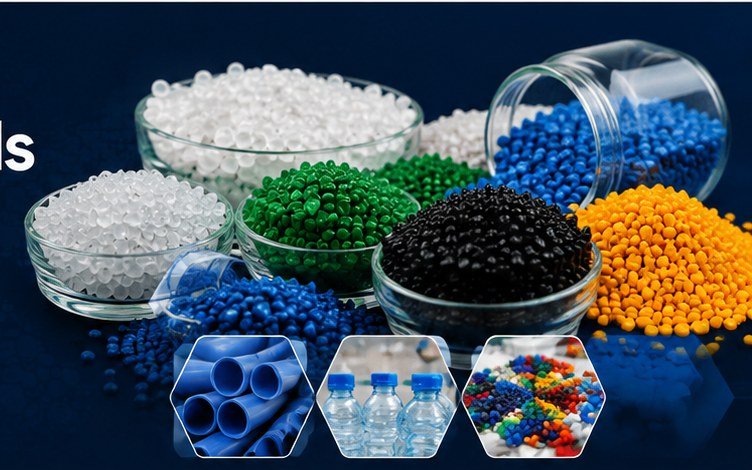
The phrase “food grade plastic” is often used as if it were a universal material class. It is not. Food-contact suitability depends on the specific polymer, additives, manufacturing formulation, intended food, temperature, contact time and applicable regulatory requirements. A resin that is acceptable for one application is not automatically acceptable for every food-contact use.
Start with the exact application
Before selecting a resin, define what the package or article will contact, whether the contact is direct, the expected temperature range, contact duration and whether the material will be reused. Oils, acidic foods, alcohol-containing products and hot-fill conditions can create different migration considerations. The final article also matters because colorants, adhesives, coatings and processing aids can affect compliance.
Regulatory compliance is formulation-specific
In the United States, food-contact materials are regulated through the FDA framework and applicable authorizations. Other markets use their own requirements. A supplier declaration or compliance statement should identify the relevant grade and intended conditions of use. The phrase “FDA approved plastic” without a grade, authorization basis or conditions of use is too vague to support a technical decision.
Food contact is different from general cleanliness
A clean-looking container is not necessarily suitable for food contact, and a food-contact resin does not remove the need for hygienic manufacturing. Recycled material, regrind, lubricants, colorants and processing equipment all need to be considered according to the application. For critical packaging, maintain traceability from resin batch through the finished article.
Documents worth requesting from a supplier
- Exact resin grade and technical data sheet
- Food-contact compliance or declaration appropriate to the target market
- Conditions of use covered by the documentation
- Additive and colorant information where relevant
- Change-control and lot-traceability information
Practical takeaway
Do not choose a material because a supplier calls it “food grade.” Define the application, identify the exact grade and formulation, check the applicable regulations and retain the documentation that supports the finished product.
Sources to consult
How to use this guide
This page is designed to explain the relevant material, process, decision point or failure mode in practical terms. It is meant to support understanding, not replace a current supplier datasheet, process validation, regulatory requirement or engineering sign-off.
Typical material behavior, common process logic, defect patterns, material comparisons and practical decision framing.
Exact product specifications, grade-specific values, regulatory opinions, food-contact validation or factory-specific trials.
Before a production or commercial decision is made, check the exact grade, processing window, standards and local rules that apply to your application.