
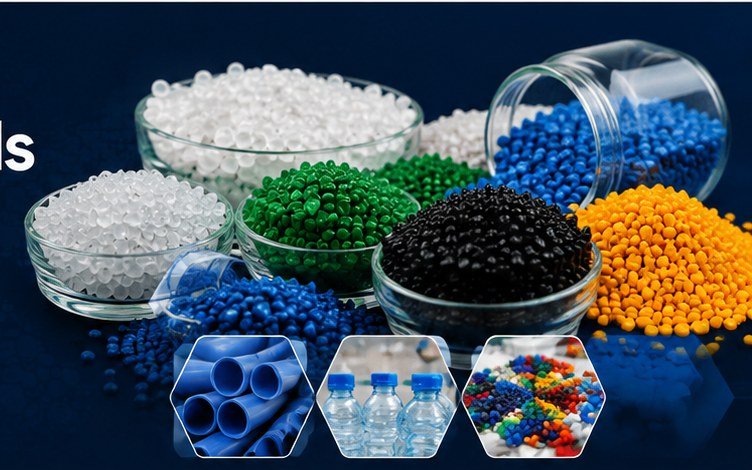
Extended Producer Responsibility, or EPR, shifts part of the responsibility for products and packaging toward the organizations that place them on the market. The exact legal model differs by country, so a useful EPR plan begins with the local regulation rather than a generic global checklist. For a packaging business, however, the practical work is similar: know what materials you place on the market, how much, where they go and what reporting or recovery obligations apply.
What an EPR system can cover
An EPR framework may address registration, reporting, financing of collection or recovery, recycling targets, labeling, approved recyclers and documentation of material placed on the market. Some systems distinguish packaging types or impose different obligations on household and commercial packaging. The details should be checked against the current law in the relevant jurisdiction.
Build a packaging data register
A company should be able to answer basic questions from its own records: how many kilograms of PET, HDPE, PP, paper, aluminum or multilayer packaging were placed on the market; whether packaging is reusable or single-use; which products are sold domestically or exported; and which packaging components are supplied by third parties. Good records reduce the risk of estimates being inconsistent from one reporting period to the next.
Design choices affect recovery costs
Material reduction can lower the quantity requiring recovery, but a lighter package is not automatically a better package. Designers should also consider whether the article is sortable, recyclable in the target market and compatible with existing collection systems. Labels, sleeves, adhesives, pigments and multi-material structures can influence the value of recovered material.
A practical compliance workflow
- Identify the jurisdictions where products are placed on the market.
- Review the current EPR rules and responsible authority.
- Map packaging materials and weights using controlled records.
- Confirm registration and reporting responsibilities.
- Keep evidence for quantities, fees, recovery claims and approved service providers.
Practical takeaway
EPR compliance is primarily a data and governance problem. Manufacturers that can trace material quantities, packaging formats and recovery documentation are in a much stronger position than businesses relying on rough annual estimates.
Sources to consult
How to use this guide
This page is designed to explain the relevant material, process, decision point or failure mode in practical terms. It is meant to support understanding, not replace a current supplier datasheet, process validation, regulatory requirement or engineering sign-off.
Typical material behavior, common process logic, defect patterns, material comparisons and practical decision framing.
Exact product specifications, grade-specific values, regulatory opinions, food-contact validation or factory-specific trials.
Before a production or commercial decision is made, check the exact grade, processing window, standards and local rules that apply to your application.