
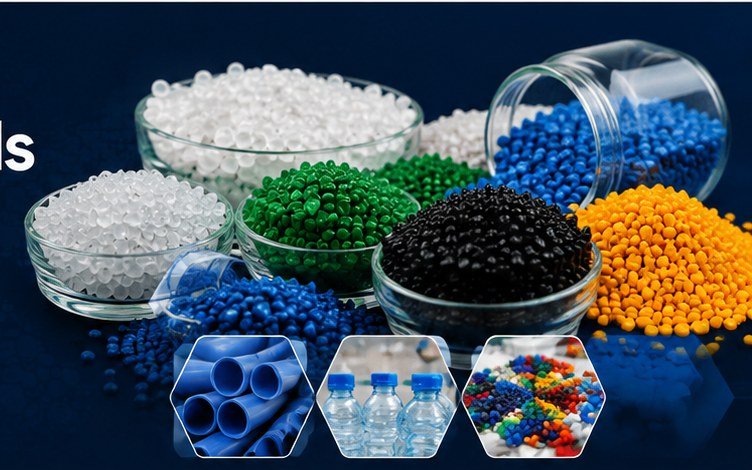
Black plastic is not inherently unrecyclable. The problem is that many automated sorting systems identify packaging by how it reflects and absorbs light. Conventional carbon-black pigments can make some black items difficult for near-infrared sorting equipment to recognize, so the material may be sent to the wrong stream or rejected even when the underlying polymer could otherwise be recycled.
How optical sorting works
Modern material recovery facilities commonly combine mechanical separation with optical identification. A conveyor presents individual items to sensors, software classifies the material, and air jets or other mechanisms separate selected items. Near-infrared systems work by detecting characteristic spectral responses from polymer surfaces. Colorants can alter that response, and carbon black is especially challenging because it strongly absorbs infrared radiation.
The real design problem is identification, not the color itself
A black PP tray and a black PET item may look identical to a person while belonging to very different recycling streams. If the sorting system cannot identify the polymer reliably, the risk is contamination. Designers should therefore consider the full package system: polymer choice, pigment, label, adhesive, coating, metal components and the sorting technology used in the intended market.
Design choices that can improve sortability
- Use pigments and colorants that are compatible with the sorting technology expected in the target market.
- Avoid unnecessary multi-material construction when a simpler package can perform the same job.
- Make polymer identification clear in specifications and packaging design documentation.
- Test representative finished articles rather than assuming a resin-level laboratory result predicts plant sorting behavior.
What recyclers should measure
For a recycling operation, useful records include incoming polymer mix, black-item share, sorting losses, contamination after sorting and the quality of recovered flake or pellets. If black packaging repeatedly appears in the wrong fraction, the answer may involve equipment settings, sensor capability, packaging design or all three.
Practical takeaway
The best solution is to design packaging for the actual collection and sorting system in which it will be recovered. A black color can be compatible with recycling, but only when polymer identification, sorting technology and downstream demand are considered together.
Sources to consult
How to use this guide
This page is designed to explain the relevant material, process, decision point or failure mode in practical terms. It is meant to support understanding, not replace a current supplier datasheet, process validation, regulatory requirement or engineering sign-off.
Typical material behavior, common process logic, defect patterns, material comparisons and practical decision framing.
Exact product specifications, grade-specific values, regulatory opinions, food-contact validation or factory-specific trials.
Before a production or commercial decision is made, check the exact grade, processing window, standards and local rules that apply to your application.