
Regrind is a process stream, not a fixed material grade
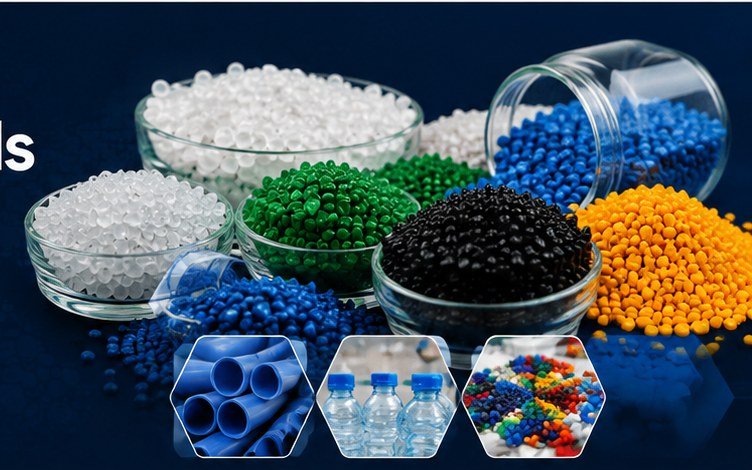
Regrind is plastic that has been granulated for reuse. Its quality depends on the original resin, how many times it has been processed, whether it was exposed to heat or moisture and how cleanly it was separated. Two bags labelled with the same polymer name may not perform the same way.
1. Start with segregation
Keep resin families, colours, additives and production sources separate. Do not mix runners from an unfilled grade with glass-filled scrap or combine unknown material with a controlled stream. Label containers with the source, date, resin, colour and any permitted blend limit.
2. Control size and contamination
Consistent granule size helps feeding and reduces bridging. Remove metal, paper, dust and other polymer contamination before blending. Check moisture for hygroscopic materials such as PET, PA and PC. A screen pack or magnet may support quality control, but it cannot replace source segregation.
3. Set a verified blend limit
Choose the blend percentage from product requirements and testing rather than a general rule. Monitor part weight, colour, impact, dimensions and appearance. Repeated heat history may lower molecular weight or change viscosity, while additives can be diluted or consumed. Critical, safety-related or regulated applications may require virgin resin or documented reprocessed material with specific controls.
Record the result of each trial. A controlled regrind program can lower waste and cost, but an uncontrolled blend can create more scrap than it saves.
How to use this guide
This page is designed to explain the relevant material, process, decision point or failure mode in practical terms. It is meant to support understanding, not replace a current supplier datasheet, process validation, regulatory requirement or engineering sign-off.
Typical material behavior, common process logic, defect patterns, material comparisons and practical decision framing.
Exact product specifications, grade-specific values, regulatory opinions, food-contact validation or factory-specific trials.
Before a production or commercial decision is made, check the exact grade, processing window, standards and local rules that apply to your application.
Traceability for regrind blends
Assign each regrind container a source and blend limit. Retain a small sample when the material is introduced into a critical job, and record the resulting part-test data. This makes it possible to stop a problematic stream without discarding unrelated, well-controlled material.